A Beginner’s Guide to Internal Family Systems Therapy
You might notice there are different “voices” inside you. One is critical. One wants to avoid conflict. Another wants change and freedom. Internal Family Systems (IFS) therapy begins by saying: that is not a problem, that is how the mind naturally works.
Instead of treating you as one fixed personality, IFS therapy sees you as a community of “parts” with a core Self that can lead them. For adults who are thoughtful, educated, and already interested in self development, this feels less like being diagnosed and more like being understood.
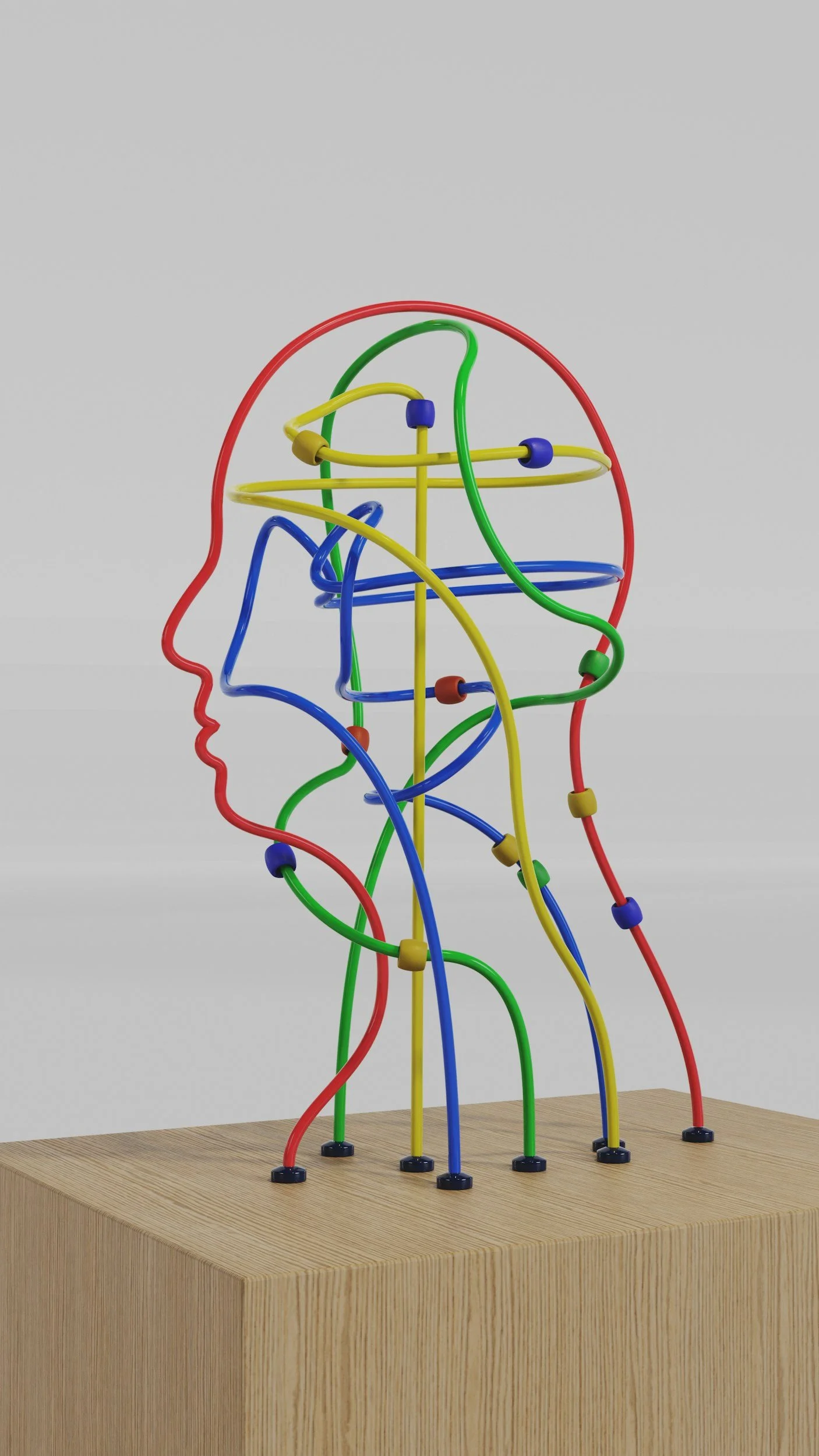
In this article we will look at what IFS therapy is, where it came from, and how it can support you if you are working on relationships, self worth, or big life decisions.
What is Internal Family Systems therapy?
IFS therapy was developed by Dr Richard Schwartz in the 1980s after he noticed that clients spoke about “part of me wants X, part of me wants Y” in a very consistent way.
Instead of trying to make those parts disappear, he became curious about them.
Three key ideas sit at the heart of Internal Family Systems therapy:
The mind is naturally multiple. You have many parts, each with its own opinions, memories, and strategies.
Every part has a positive intention, even if its methods are painful.
At your centre there is a Self with qualities like calm, curiosity, compassion, clarity, and confidence. Self is not a part, it is the leader.
IFS therapy is often called “parts work,” but it is more than casual inner dialogue. It is a structured therapeutic model with a clear map of different kinds of parts and a stepwise process for helping them relax into healthier roles.
The main types of parts in IFS therapy
In Internal Family Systems therapy, parts are usually described in three broad groups.
Managers
These parts try to keep your life organised and safe. They plan, control, criticise, perform, please, and manage the outside world to prevent pain. A manager might sound like:
“You cannot make a mistake.”
“Keep everyone happy and no one will leave.”
“Work harder and it will feel better later.”
Firefighters
Firefighters step in when painful feelings break through. They want to put out emotional fires quickly. They might push you toward numbing, distraction, overworking, scrolling, overeating, or other impulsive behaviours. Their goal is short term relief.
Exiles
Exiles are younger, more vulnerable parts that carry raw pain, shame, fear, or loneliness. They often hold painful memories and beliefs such as “I am not good enough,” or “I am too much.” Managers and firefighters organise themselves around keeping these exiles out of awareness.
Self and the qualities of leadership
Self is the calm, aware presence that can notice parts without merging with them. When Self is in the lead, you feel more:
steady and grounded
curious about your reactions instead of ashamed
compassionate toward yourself and others
clear about what actually matters to you
Internal Family Systems therapy does not try to erase parts. Instead, the therapist helps you strengthen Self so that it can form relationships with your parts. Over time, parts trust Self enough to soften, share their stories, and release old burdens.
What happens in an IFS therapy session?
A typical IFS therapy session might include:
slowing down and noticing what is happening inside right now
choosing one part that is active, such as the inner critic or a worried planner
locating where you sense that part in your body
asking it gentle questions, from Self, about its role and fears
listening for images, sensations, memories, or words
inviting that part to relax when it feels safe enough
This can sound abstract on paper. In the room, it often feels contemplative and leads to profound insights, new awareness and greater self-compassion.
Internal Family Systems therapy gives language to experiences you may have sensed your whole life but never been able to describe.
Where IFS therapy can help
IFS therapy suits thoughtful adults who are:
repeating painful patterns in relationships
successful on the outside but anxious or empty inside
torn between conflicting impulses in career, love, or lifestyle
tired of fighting an inner critic that never seems satisfied
If that sounds familiar, IFS therapy offers more than coping tools. It offers a new relationship with your entire inner world.
Beginning Your IFS Journey
Understanding the IFS framework is intellectually is valuable, but experiencing it firsthand is transformative. If you're considering IFS therapy, know that your Self is already present, waiting to lead your healing journey. An experienced IFS therapist can help you access this innate wisdom and begin the process of unburdening your parts.
About the Author
Corene Crossin is an Australian registered psychotherapist and IFS practitioner based in Brisbane, offering online Internal Family Systems therapy to clients across Australia and internationally. She works with thoughtful adults who are ready to explore longstanding patterns around relationships, attachment, self-sabotage, body image, and inner criticism.
Her approach is trauma-informed, collaborative, and rooted in compassion. She believes that lasting change becomes possible when you feel safe enough to be fully seen, including by yourself.
Ready to begin your own inner work?
Download the free IFS Parts Mapping Guide to start exploring your parts, or book a free 20-minute connection call to discuss how IFS therapy might support you.
Explore other articles:
Mapping Your Parts in IFS: How To Get Started
Can you do IFS alone? Yes AND… here’s what you need to know
