
A New Chapter Articles

When Your Inner Critic Sounds Like the Voice of Reason
Your inner critic often sounds helpful, but it’s usually just scared. IFS therapy helps you meet it with compassion, not shame, so it can finally rest.

How IFS Therapy Can Help You Stop Self-Sabotaging
Self-sabotage isn't about weakness. It's often a protective part trying to shield you from pain. IFS therapy helps you meet that part with compassion.

How Do I Explain IFS to My Partner?
Whether you’ve started IFS therapy or are just drawn to the idea, it can feel hard to explain. This guide offers gentle, non-jargony ways to talk about it with someone you love.

What Therapy is Best for Trauma?
There’s no one-size-fits-all answer to trauma therapy, but there are some powerful, gentle approaches that can help. Learn about IFS, narrative therapy, and more.

What Does ‘Trauma-Informed’ Mean?
Trauma-informed therapy isn’t about re-living your story, it’s about healing at your pace. Learn how IFS, Narrative Therapy and CBT each support safe, respectful care.

Setting Boundaries with Internal Family Systems
You know you need boundaries. You've read the books, listened to the podcasts, practiced saying no. But when the moment comes, you cave. You say yes when you mean no. You over-explain. You let people cross lines you swore you'd hold.
Internal Family Systems (IFS) therapy offers an understanding of why boundaries feel impossible and how to heal the parts that block them. This isn't about learning better boundary scripts or practicing assertiveness. It's about understanding the protective system that believes boundaries = danger.
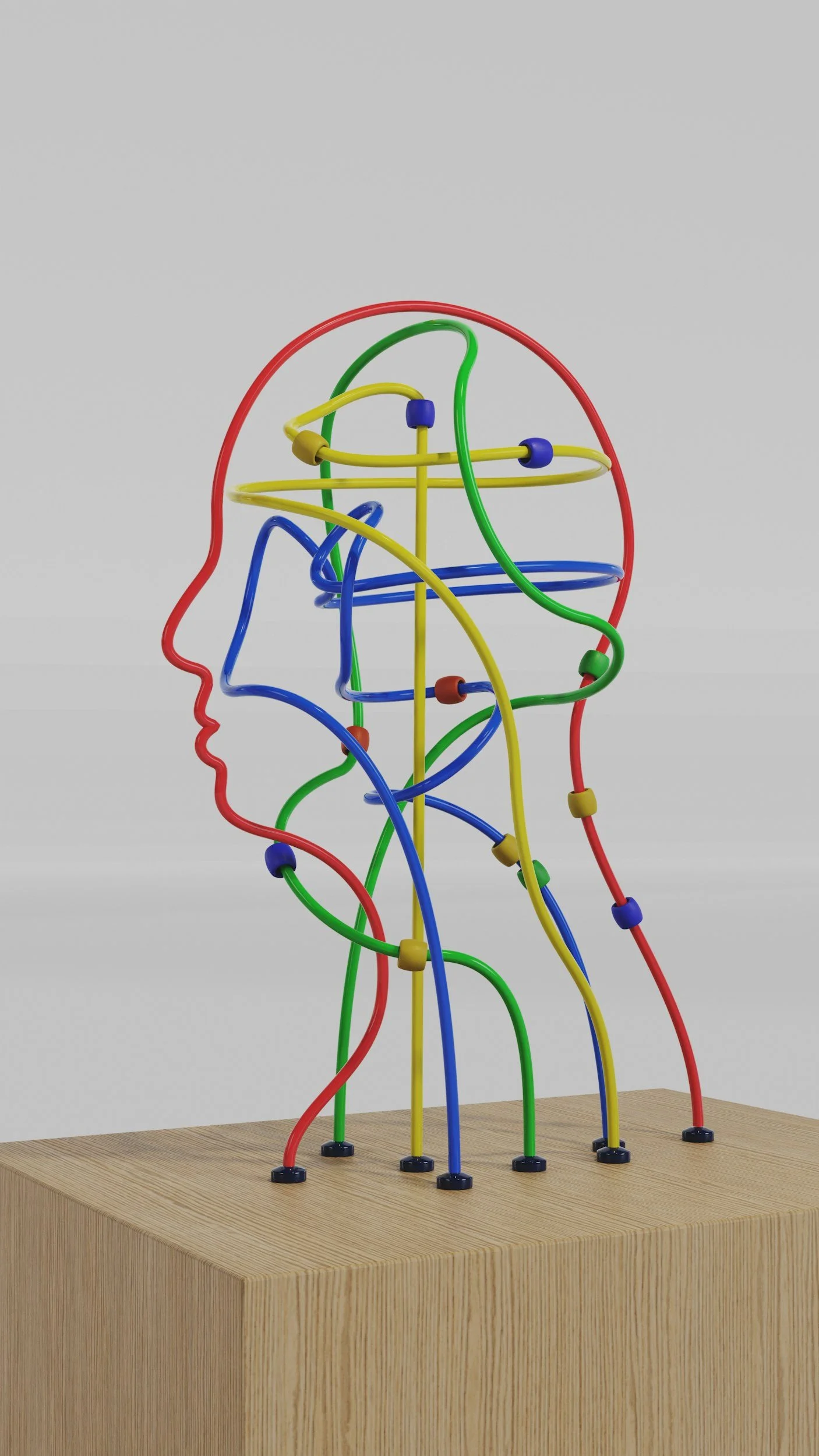
A Beginner’s Guide to Internal Family Systems Therapy
Internal Family Systems (IFS) therapy views you as a system of inner “parts” led by a calm, wise Self. This article explains what IFS therapy is, where it came from, and how it can help you understand your patterns in relationships, self worth, and decision making in a kinder, more precise way.